

Approach to Integrated Market Systems: Dairy value chain, Somali Region

Ethiopia
Focus
ILO’s AIMS assessment in the Somali region indicated high dependency of local population on pastoralist activities. Despite having a large number of people involved in milk production, the quality of milk and income being generated from it were inadequate.
PROSPECTS partnered with Vétérinaires Sans Frontières Suisse (VSF Suisse) to strengthen the dairy value chain in the region. The dairy value chain was hampered by a multi-faceted set of challenges that caused low and unstable income for women-led households engaged in the milk business. The sector faces three key challenges with many other underlying root causes:
- Low livestock productivity caused by inadequate livestock feed availability both in quality and quantity, coupled with a severe shortage of water especially during dry season and drought periods.
- Poor milk quality caused by poor milk handling, storage, transportation, lack of appropriate utensils and cooling facilities and inadequate knowledge on milk hygiene and quality.
- Limited access to the dairy market caused by low and poor-quality marketable output; high transaction costs (transportation); inefficient market system, lack of dairy processing plant, limited skills on entrepreneurship, financial and cooperative management, poor access to finance and market information and poor enabling environment.
To deal with these challenges, a comprehensive project was designed to enhance the capacity of dairy value chain actors to produce, handle and market quality dairy products. It included well designed and articulated sets of capacity building support; formation and strengthening of cooperatives, improving their technical know-how on quality; safe and efficient milk production system, preservation, processing and marketing; and improved access to basic animal health services.
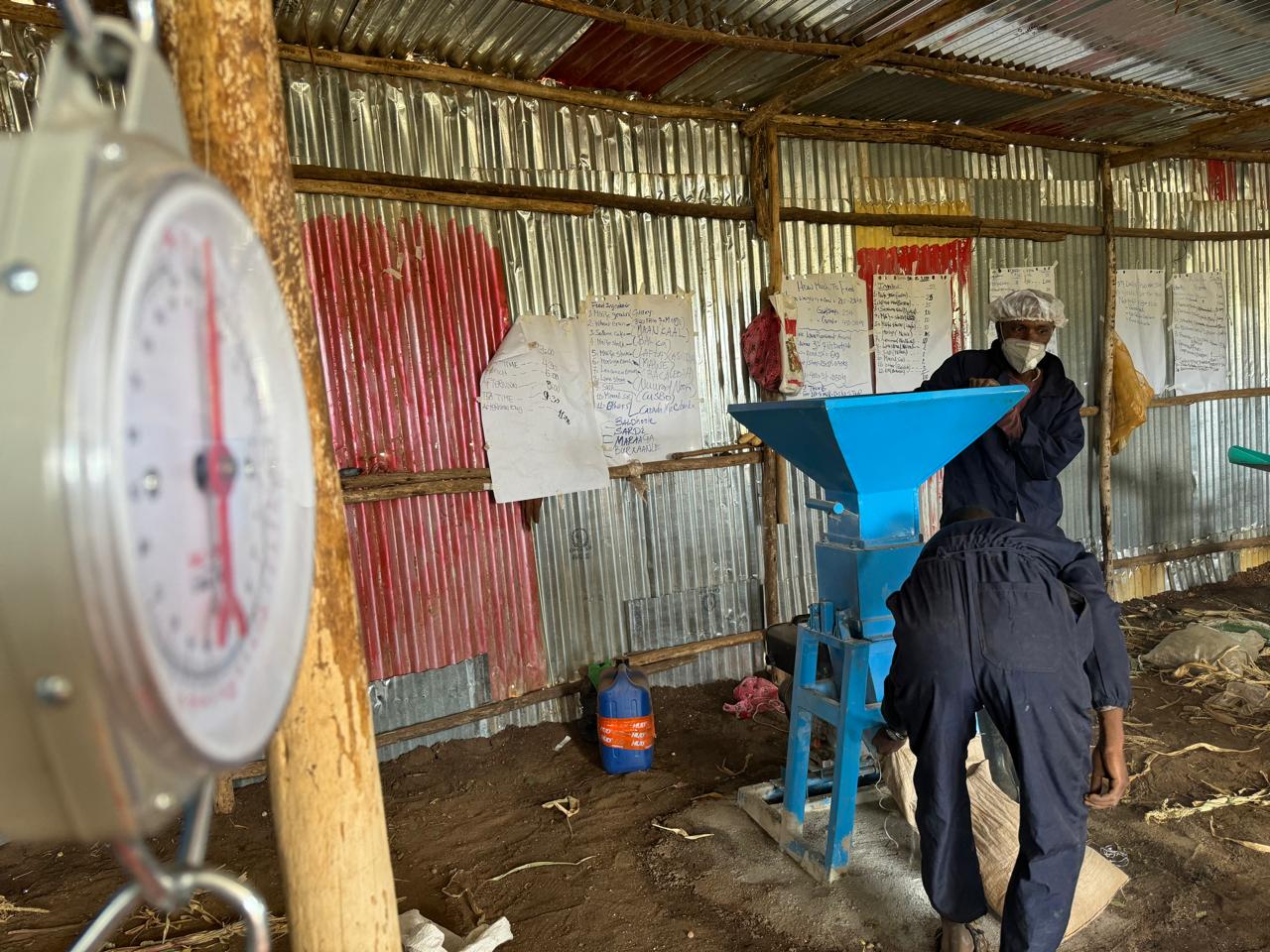
The project enabled cooperative members to participate in animal feed production by establishing a feed production centre. Tree planting also enabled the local supply inputs for the nutrient-dense fodder. The Somali Region Agriculture and Natural Resource Development Bureau led seed distribution using their local nursery in Jigjiga. Training was held for cooperative members on total mixed ration (TMR), a method of combining feeds to produce a higher quality and nutritionally balanced cattle feed. By improving the quality of feed, herders saw on average, a 43% increase in milk production per cattle. Thanks to the stage facility, 79% of the production could be sold for profit, and the remaining 21% for domestic consumption.
By introducing innovative practices such as multipurpose forage trees, hydroponic green fodder production, and commercial animal feed production, the program has empowered communities and enhancing their livelihoods.
Continue reading
Case study
Combining push and pull interventions

Uganda